
Is your pillow still giving you the support you need, or has it quietly become part of the reason you wake up feeling stiff?
A good pillow supports your head and neck while helping you maintain a natural sleeping position. But pillows do not last forever. With regular use, their filling can compress, lose shape, and collect sweat, oils, dust, and other buildup.
So, how often should you replace a pillow? For many people, replacing it every 1 to 2 years is a useful general guideline, but the right timing depends on the material, construction, care, and condition of the pillow. Some may need replacing sooner, while well-maintained options may last longer.
Here are the signs to watch for and the factors to consider before making a change.
Why Does a Pillow Need to Be Replaced?
Every night, your pillow supports your head for several hours. Over time, repeated pressure can change its shape and reduce its ability to provide consistent support.
Regular use can also expose it to perspiration, skin oils, dust, and moisture. In Pakistan’s warmer climate, this buildup can be more noticeable, especially if the pillow is used without a protective cover or is not cleaned according to its care instructions.
A pillow that has lost its shape may no longer support your preferred sleeping position properly.
How Often Should You Replace a Pillow?
There is no single replacement schedule for every type. A practical guideline is:
- Every 1–2 years: A reasonable replacement window for many everyday pillows.
- Sooner if it has lost its shape: A visibly flattened or uneven pillow may no longer provide proper support.
- Sooner if the material has deteriorated: Crumbling foam, permanent lumps, or damaged filling are clear warning signs.
- Based on hygiene and care: Frequent use, sweating, washing, and poor storage can affect how long a pillow remains usable.
The calendar is only one part of the decision. The condition of your pillow is often a better indicator than its age alone.
7 Signs It’s Time for a New Pillow
Not sure whether your current one has reached the end of its useful life? Look for these signs.
1. Your Pillow Stays Flat
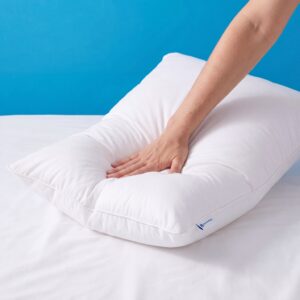
If it no longer returns to its original shape after you use it, the filling may have become compressed.
A flat pillow can change the height at which your head rests. This may affect how your neck is positioned during sleep.
2. It Has Permanent Lumps
Uneven filling can create areas that are too high or too low. If fluffing or adjusting the pillow does not restore its shape, replacement may be a sensible choice.
3. You Wake Up With Neck or Shoulder Stiffness
Your pillow is not always responsible for morning stiffness. So, which pillow is best for stiff neck? Your mattress, sleeping position, daily activities, and other factors can also play a role.
However, if discomfort appears regularly after sleeping and improves when you use a different pillow, your current one may not be providing the right support.
4. You Need to Fold or Adjust It Constantly
Do you keep folding your pillow, adding another one underneath, or pushing the filling into a particular position?
Frequent adjustments can be a sign that the pillow is no longer providing the height and support you need.
5. It Has Visible Wear or Damage
Check for:
- Torn fabric
- Flattened areas
- Broken or deteriorating filling
- Permanent stains
- A damaged cover
- An unusual or persistent odor
Visible deterioration is a strong reason to consider replacing it.
6. You Have Had It for Several Years
Even when a pillow looks acceptable, long-term use can gradually reduce its support.
If you cannot remember when you bought it, and it has been in regular use for several years, it is worth checking its shape, condition, and support.
7. Your Sleeping Needs Have Changed
Your ideal pillow can change when your sleeping position, mattress, or personal preferences change.
For example, someone who changes from back sleeping to side sleeping may prefer a different pillow height and level of support.
Does Pillow Material Affect Its Lifespan?
Yes. Different materials respond differently to repeated use.
- Memory foam pillows can retain their shape for a considerable period when properly cared for, but they should still be checked for changes in support, shape, and condition.
- Ball fiber pillow can gradually become flatter or develop uneven areas with regular use.
- Latex pillows are generally resilient, but their condition should still be assessed over time.
The manufacturer’s care instructions are important. Washing, drying, exposure to moisture, and storage can all influence how long a pillow remains in good condition.
How Can You Make Your Pillow Last Longer?
Good care can help maintain its condition and delay unnecessary replacement.
Use a Protective Cover
A washable pillow protector can reduce direct exposure to sweat, oils, dust, and moisture. Wash the protector regularly according to its care instructions.
Follow the Care Label
Do not assume every pillow can be machine washed or dried in the same way. Some materials require specific cleaning methods.
Keep It Dry
Moisture can affect certain filling materials and contribute to unpleasant odors. Allow bedding to air when appropriate and avoid storing pillows while they are damp.
Keep Its Shape
Depending on the material, gentle fluffing or repositioning can help maintain an even surface. Avoid aggressive bending or compressing foam-based pillows.
Choosing a Replacement for Your Sleeping Position
When replacing your old pillow, consider how you normally sleep.
| Sleeping position | What to look for |
| Side sleeping | A pillow with enough height to support the space between your head and mattress |
| Back sleeping | Moderate height that supports the natural position of the neck |
| Stomach sleeping | A relatively low profile may be more suitable |
These are general guidelines rather than strict rules. Your body shape, mattress firmness, and personal preference also influence which option feels suitable.
What Should You Look for When Buying a New Pillow in Pakistan?
Local climate and daily use are worth considering. If you tend to sleep warm or sweat during hot weather, look for materials and covers that suit your preferred sleeping environment.
Also check:
- Filling and construction
- Pillow height
- Firmness and support
- Cover material
- Cleaning instructions
- Size
- Warranty or product care information
Diamond Foam offers different bedding options designed around everyday sleep needs. When choosing a replacement, the goal should be to find an option that matches your sleeping position and provides consistent support rather than simply choosing based on appearance.
A Simple Pillow Replacement Check
Before buying a replacement, take two minutes to inspect your current pillow:
- Check its shape: Is it flat, uneven, or permanently compressed?
- Check the filling: Does it feel lumpy or deteriorated?
- Check the cover: Look for stains, tears, or damage.
- Think about your sleep: Are you waking up with recurring neck or shoulder stiffness?
- Check its age: Has it been in regular use for one to two years or longer?
- Try another pillow: If a different option feels noticeably more supportive, compare the two carefully.
This quick assessment can help you decide whether replacement is actually needed.
Replace Your Pillow When Its Support and Condition Start to Decline
A pillow does not have to look badly damaged before it needs replacing. Changes in shape, pillow filling, support, cleanliness, and your own sleeping needs can all signal that it is time for a new one.
Instead of replacing pillows strictly according to a calendar, inspect them regularly and pay attention to how you feel after sleeping. Choosing the right replacement can help create a more supportive and consistent sleep setup for your bedroom.
Frequently Asked Questions
1. How often should you replace a pillow?
Many pillows can be considered for replacement after about 1 to 2 years of regular use. However, the actual timing depends on the material, care, usage, and condition. A pillow that becomes flat, lumpy, damaged, or unsupportive may need replacing sooner.
2. How do I know if my pillow is too old?
Signs include permanent flattening, lumps, damaged filling, unpleasant odors, visible wear, and reduced support. If you frequently adjust or fold it to get into a comfortable position, it may also be time for a replacement.
3. Can an old pillow cause neck stiffness?
An old or poorly supportive pillow may contribute to neck stiffness by failing to keep your head and neck in a suitable position during sleep. However, morning stiffness can have several causes, so a pillow should not automatically be considered the only reason.
4. How can I make my pillows last longer?
Use a protective cover, follow the manufacturer’s cleaning instructions, keep them dry, and store them properly. Regularly check the filling and shape so you can identify deterioration early.
5. Should I replace my pillow even if it still looks clean?
Yes, appearance alone does not determine whether a pillow is still providing adequate support. If it has lost its shape, become uneven, or no longer feels supportive, replacing it may be appropriate even if the cover looks clean.