

Choosing between a classic foam, contouring memory foam, or responsive pocket spring mattress, and pairing it with the right pillow, comes down to how you sleep, your posture needs, and Pakistan’s warm climate. With so many bedding options available across the market today, shopping without a clear checklist makes it easy to overspend on the wrong feel.
Looking beyond flashy showroom claims helps you invest in sleep gear that keeps your spine aligned, relieves pressure points, and holds up through hot Pakistani summers. Whether you are upgrading your master bedroom or buying your first orthopedic mattress, this guide breaks down everything you need to know before making your purchase.
TL;DR: Key Takeaways for Buying a Mattress & Pillow
-
Know Your Core Material: Classic foam offers firm, lasting durability; memory foam hugs joints for pressure relief; pocket spring delivers buoyant bounce with zero motion transfer.
-
Match Firmness to Posture: Side sleepers need pressure relief at the shoulders and hips; back and stomach sleepers need firmer lumbar support to prevent lower-back sinking.
-
Align Head & Spine: Even the best mattress cannot prevent neck stiffness if your pillow height (loft) does not match your shoulder width.
-
Prioritize Breathability: In Pakistan’s warm weather, look for cooling gel infusions and breathable knitted covers that prevent heat buildup.
-
Check Build Over Thickness: A thicker mattress is not automatically better, focus on core density, multi-layer support, and a verified 12-to-15-year warranty.
What Are the Main Types of Mattresses Available in Pakistan?
The four primary mattress types available in Pakistan are foam, memory foam, pocket spring, and hybrid mattresses. Each construction distributes body weight, isolates partner movement, and manages body heat differently, making material selection the single most important step in your buying journey.
-
Foam Mattresses: The most trusted and widely used option across Pakistani households. Known for reliable durability and accessible pricing, quality foam mattresses rely on resilient base layers that resist sagging over time. Trusted local options like Supreme Foam Mattress offer dependable support backed by 12- to 15-year warranties.
-
Memory Foam Mattresses: Engineered to respond to body heat and weight, memory foam contours closely to your natural curves to cushion joints. If you sleep warm, look for modern cooling formulations, such as Supreme Gel Memory Mattress, which pair pressure relief with breathable covers and temperature-regulating gel infusions.
-
Pocket Spring Mattresses: Unlike traditional interconnected spring beds, pocket spring mattresses house individual springs inside separate fabric pockets. Each spring compresses independently, delivering targeted body contouring and zero motion transfer when a partner moves. For luxury spring comfort, Dolce Vita offers precision pocket spring designs crafted with over 1,000 individually wrapped springs.
-
Hybrid Mattresses: Hybrids pair a responsive pocket spring core with plush foam or memory foam comfort layers on top. This setup gives you the buoyant bounce of springs alongside the joint-cushioning feel of foam.
Which Mattress Firmness Fits Your Sleeping Position Best?
Medium-firm mattresses suit most back and combination sleepers, while softer, plush surfaces work best for side sleepers and extra-firm beds support stomach sleepers. Matching firmness to your dominant sleep posture keeps your spine in a healthy, neutral line all night.
-
Side Sleepers: Sleeping on your side concentrates body weight on your shoulders and hips. Choose a medium-soft to medium mattress that cushions these contact points without letting your waist sink too deeply.
-
Back Sleepers: You need balanced support that fills the small curve of your lower back while keeping your hips level with your shoulders. A medium-firm surface prevents lower-back strain.
-
Stomach Sleepers: Sleeping face-down puts extra pressure on the abdomen and lower spine. A firmer mattress prevents your midsection from dipping downward and straining your back.
-
Combination Sleepers: If you toss and turn between positions, look for a responsive medium-firm mattress—such as memory foam paired with a resilient support base, that makes changing positions effortless.
How Do You Choose the Right Pillow for Neck and Shoulder Support?
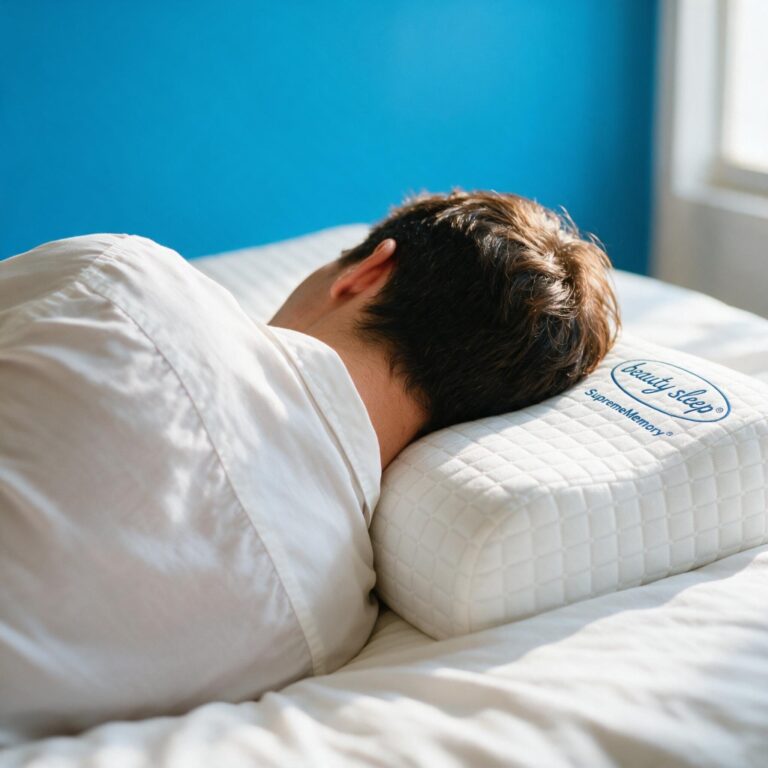
The right pillow holds your head, neck, and spine in a straight, horizontal line, mirroring good standing posture. Even an orthopedic mattress will leave you waking up with neck stiffness if your pillow is too flat, overly thick, or loses its shape overnight.
1. Contour Memory Foam Pillows
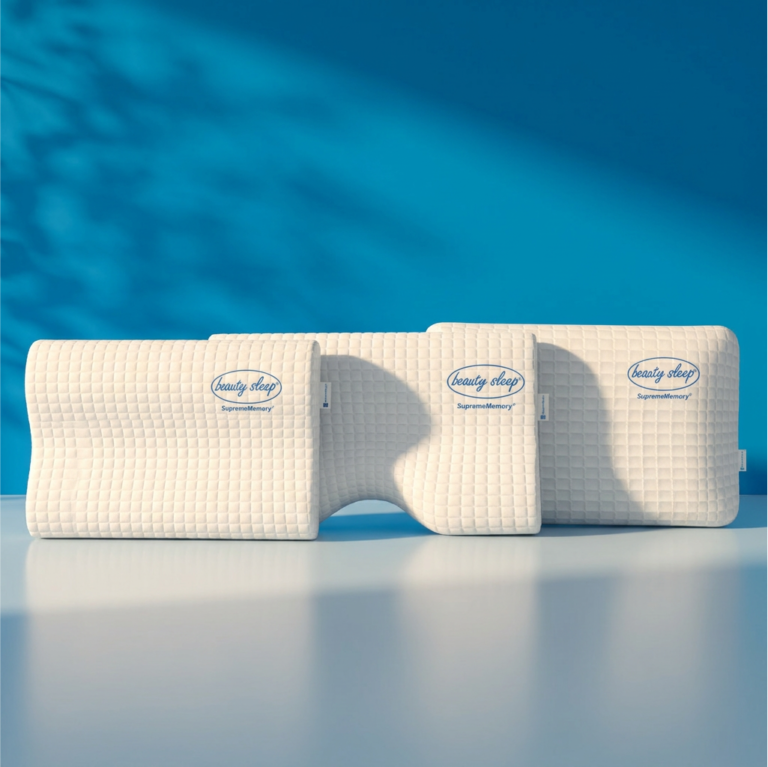
Designed with an ergonomic wave shape, contour pillows feature two raised edges (one higher for side sleepers, one lower for back sleepers) with a supportive cradle in the center.
-
Best for: Side and back sleepers dealing with morning neck stiffness who want structured cervical alignment.
-
What to check: Match the loft height (usually 3.5 to 5 inches) to your shoulder width, and ensure it includes a removable, washable cover. (Explore options like the Supreme Memory Contour Pillow).
2. Standard Memory Foam Pillows
These pillows offer the classic rectangular shape while molding gently to the curve of your head and neck. Shredded memory foam versions also let you add or remove filling to customize the height.
-
Best for: Sleepers who want adaptive pressure relief without a rigid contoured shape.
-
What to check: Look for ventilated pinholes or cooling gel infusions so heat does not get trapped around your neck.
3. Microfiber Pillows
Lightweight, plush, and budget-friendly, fiber pillows are a staple in Pakistani homes. High-grade hollow siliconized fiber resists clumping far better than basic polyester fill, though all fiber pillows flatten sooner than foam.
-
Best for: Stomach sleepers who need a thin, compressible pillow, and anyone who loves a soft, cloud-like hotel feel.
-
What to check: Double-stitched seams, generous fill weight, and machine washability.
4. Latex Pillows
Crafted from natural or blended latex, these pillows provide buoyant, instant-response support that bounces back the second you move your head. Built-in pinhole ventilation also keeps them naturally cool.
-
Best for: Hot sleepers and combination sleepers who want durable, long-lasting neck elevation.
-
What to check: Natural-to-synthetic latex blend ratio and firmness rating.
How Do Mattress and Pillow Features Compare in Pakistan?
Mattress and pillow prices in Pakistan vary widely depending on size, core material, cooling technology, and warranty length. Use the comparison table below to weigh specifications side by side before choosing what fits your bedroom budget.
| Buying Factor | Mattress Considerations | Pillow Considerations |
| Core Materials | Foam, memory foam, pocket spring, or hybrid | Memory foam, contour foam, microfiber, or latex |
| Firmness Options | Soft, medium, medium-firm, or firm | Plush/soft, medium, or firm cervical support |
| Primary Support | Full-body weight distribution & lumbar alignment | Head, neck, and upper-shoulder alignment |
| Temperature Control | Gel-infused layers & breathable knitted fabrics | Ventilated foam channels & cotton/knit covers |
| Average Lifespan | 7 to 12+ years (depending on core density) | 1.5 to 3 years (depending on fill resilience) |
| Warranty Coverage | Typically 10 to 15 years on structural sagging | Usually 1 to 3 years on premium foam pillows |
| Price Drivers | Bed size (Single, Queen, King), thickness & tech | Filling type, ergonomic molding & dimensions |
Smart Value Tip: Always factor in delivery charges, warranty terms, and brand after-sales service. Spending slightly more on a certified 12-year warranty mattress often costs far less per year than replacing a cheap mattress every three years.
Should You Test in Store or Buy Online in Pakistan?
Testing a mattress and pillow in person is always ideal, as product photos cannot show how a surface responds to your body weight. However, buying online is completely safe when you verify dimensions, return policies, and warranty registration terms upfront.
-
When Visiting a Showroom: Lie down in your normal sleeping position for at least 5 to 10 minutes. Roll onto your side and back to check whether your shoulders and lower back feel comfortably supported. Test pillows while lying down on a mattress of similar firmness—squeezing a pillow with your hands will never tell you how it supports your head.
-
When Ordering Online: Double-check your exact bed frame measurements in inches or feet (Single, Double, Queen, or King), confirm delivery timelines to your city, review exchange policies for unopened vs. opened items, and ensure you receive an official warranty card.
What Common Mistakes Should You Avoid When Buying Bedding?
Most buyer regret comes from choosing a mattress solely because it feels rock-hard or selecting a pillow based only on hand-squeeze softness. Avoid these common pitfalls to protect both your sleep quality and your wallet:
-
Equating “Extra Hard” with “Healthy”: Overly rigid beds create painful pressure points at your hips and shoulders rather than supporting your spine.
-
Assuming Thicker Means Better: A 10-inch mattress made with low-grade foam will sag faster than a well-engineered 6- or 8-inch high-density mattress.
-
Ignoring Your Pillow Loft: Pairing a great orthopedic mattress with an overly high or flat pillow still leads to morning neck and upper-back pain.
-
Overlooking Summer Heat Retention: Skipping breathable fabrics or cooling gel layers can make sleep uncomfortable during peak Pakistani summers.
-
Buying Without Checking Bed Dimensions: Standard King and Queen frame sizes can vary slightly across local furniture makers—always measure your bed frame first.
-
Skipping the Warranty Fine Print: Make sure you understand what degree of sagging is covered and keep your invoice safe for future claims.
Making Your Final Decision
The best mattress and pillow combination is one tailored to your sleeping posture, body weight, and local climate. By balancing breathable materials with reliable spinal alignment and verified warranty protection, you turn everyday sleep into genuine physical recovery.
Explore the complete collection of Supreme Foam Mattresses – including our Supreme Ortica orthopedic series, Supreme Gel Memory cooling range, and Supreme Memory Contour Pillows, to find the right fit for your home.
Frequently Asked Questions
1. How do I choose the right mattress in Pakistan?
Start by matching the mattress firmness to your primary sleeping position, softer for side sleepers, medium-firm for back sleepers, and firmer for stomach sleepers. Next, compare core materials (foam, memory foam, or pocket spring), check for breathable cooling features suited for Pakistani summers, measure your bed frame accurately, and prioritize brands offering a 10- to 15-year warranty.
2. Which mattress is best for lower back pain and spinal support?
A medium-firm orthopedic mattress provides the best balance of lumbar reinforcement and pressure relief for lower back pain. Options like Supreme Ortica and Supreme Ortica GelCool use high-density support layers to keep your spine aligned without feeling uncomfortably hard.
3. What is the difference between a regular foam mattress and a memory foam mattress?
A standard high-density foam mattress offers firm, buoyant support that keeps you resting on top of the surface with quick bounce-back. A memory foam mattress responds to body heat and pressure, molding slowly around your shoulders, hips, and joints for deeper pressure relief.
4. Which pillow height and type is best for side sleepers?
Side sleepers generally need a medium-to-high loft pillow (around 4 to 5 inches) to fill the gap between the ear and the outer shoulder. A contour memory foam pillow or a supportive latex pillow works best because it keeps the neck level with the spine instead of flattening overnight.
5. Do mattress and pillow materials really affect how hot I sleep?
Yes. Traditional dense foams and synthetic covers can trap body heat during warm weather. Choosing mattresses and pillows made with cooling gel infusions, ventilated pinholes, and breathable knitted fabrics helps airflow circulate and keeps your sleep surface noticeably cooler.
6. How often should I replace my mattress and pillows?
A high-quality mattress typically lasts 7 to 12 years, while pillows should be replaced every 1.5 to 3 years as fillings compress and lose neck support. Even if your mattress is still within its warranty window, consider upgrading if you notice visible sagging, lumps, or consistent morning stiffness.