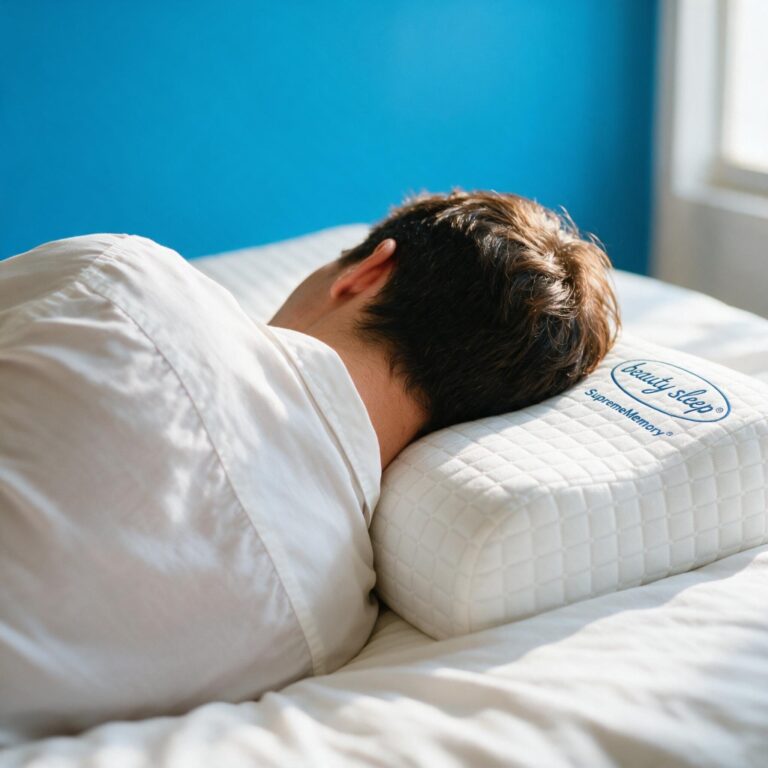

Not sure why your pillow never seems to feel quite right? The right choice should match your sleeping position, body build, mattress, and preferred feel. Side sleepers usually need more height, back sleepers often suit medium support, and stomach sleepers generally need a thinner profile. Material then affects softness, responsiveness, airflow, and shape retention.
For people in Pakistan, temperature is also important. Hot summers, humidity, and air-conditioned rooms can change what feels suitable.
How to Choose the Right Pillow Type for Your Sleep Position
Start with your usual sleeping position because it gives you a practical guide to loft and firmness.
- Side sleepers: Choose medium-to-high loft that fills the space between the shoulder and head.
- Back sleepers: Look for medium height that supports the neck without pushing the head forward.
- Stomach sleepers: A thin, softer design can help limit excessive neck extension.
- Combination sleepers: A responsive fill works well if you change positions often.
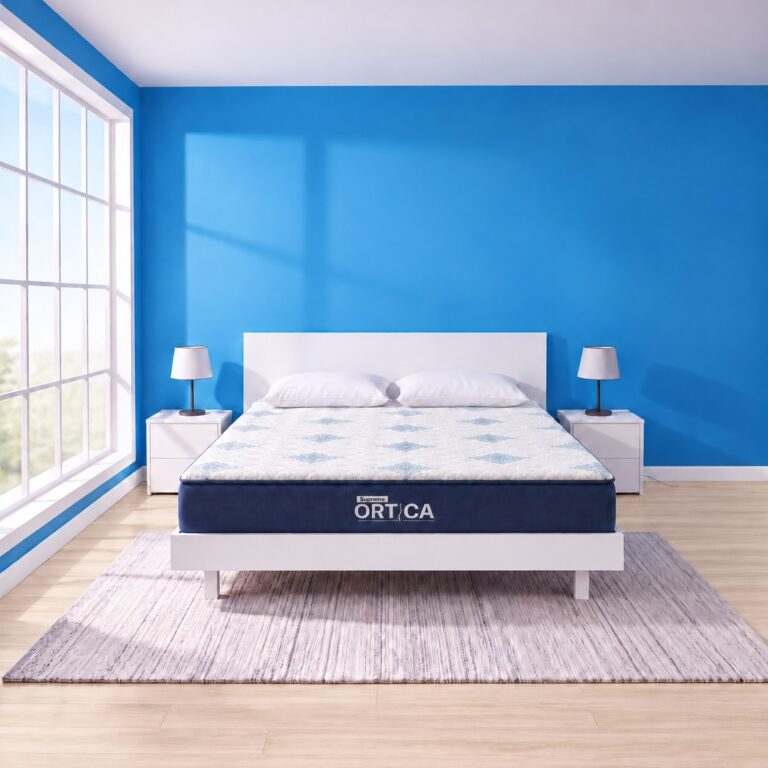
Mattress firmness also plays a role. On a softer mattress, the shoulder and torso may sink deeper, so you may need less height than you would on a firmer one.
Different Types of Pillows Explained
Memory Foam Pillow
A memory foam pillow responds to heat and pressure, contouring around the head and neck. Solid foam feels more stable, while shredded foam is generally easier to adjust.
Useful for: side and back sleepers who prefer close, steady support. Warm sleepers can look for ventilation channels or breathable covers.
Ball Fiber Pillow
A ball fiber pillow contains small clusters of synthetic fiber that create a light, springy feel. It is easy to fluff and may suit people who dislike the dense feel of foam.
Useful for: combination sleepers and those who prefer a softer, airier surface.
Microfiber Pillow
A microfiber pillow uses very fine synthetic fibers for a smooth, plush feel. It is usually light and easy to reposition during the night.
Useful for: stomach sleepers, combination sleepers, and people who prefer softness over structured support.
Latex Pillow
A latex pillow feels responsive and springs back quickly after pressure is removed. It tends to keep a consistent shape without the slow sink associated with some foams.
Useful for: side and back sleepers who want support with bounce. Ventilated designs may also appeal in warmer weather.
Cervical Pillow
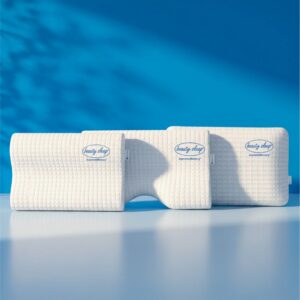
A cervical pillow has a contoured shape intended to support the natural curve of the neck. Many versions use raised edges and a lower center section.
Useful for: people who prefer structured positioning. Height is important, so consider shoulder width and sleep position before choosing.
Jelly Foam Pillow
A jelly foam pillow includes a TPE jelly grid pillow for cool, orthopedic sleep. It contours to your head and neck for targeted neck pain relief. Its open airflow channels naturally release body heat to keep you sweat-free.
Useful for: warm sleepers who still enjoy a contouring foam feel.
E-Gel Pillow
An e-gel pillow brings premium cooling science and orthopedic recovery. It features an imported cooling gel grid set seamlessly into a high-density support base. Also, it delivers a perfectly balanced medium-firm feel that offers a mix of deep pressure relief and structural spinal alignment.
Useful for: people who want cushioning with a cooler-feeling surface.
Duck Down Feather Pillow
A duck down feather pillow has a soft, moldable feel and can be shaped by hand. Down adds fluffiness, while feathers can add more structure depending on the blend.
Useful for: stomach sleepers, some back sleepers, and those who like a traditional, adjustable feel. Check care instructions and personal sensitivity to natural fillings.
Quick Comparison of Common Types
| Type | Typical Feel | Support | Shape Recovery |
| Memory foam | Contouring | Medium to firm | High |
| Ball fiber | Light and springy | Soft to medium | Moderate |
| Microfiber | Soft and plush | Soft to medium | Moderate |
| Latex | Responsive | Medium to firm | High |
| Cervical | Structured | Varies by design | High |
| Jelly foam | Cushioned, cool-touch | Medium | High |
| E-gel | Cushioned | Medium | High |
| Down feather | Soft and moldable | Soft | Low to moderate |
What to Check Before Buying Pillows
A useful product description should tell you more than the filling of the pillows. Compare these details before deciding:
- Loft: Check the resting height, not only how tall it looks when freshly fluffed.
- Firmness: Decide whether you prefer a soft sink, balanced support, or a firmer surface.
- Cover fabric: Breathable outer fabrics may feel more suitable during warm weather.
- Care: Some fiber fills can be washed, while foam cores may require spot cleaning and a removable cover.
- Size: Confirm dimensions so the insert fits your bed and cases properly.
- Temperature: If you sleep hot, pay attention to ventilation, cover material, and cooling layers.
- Replacement signs: Flattening, persistent lumps, odor, or loss of support can indicate that replacement is due.
When comparing options from Diamond Foam, check construction, dimensions, filling, care instructions, and firmness details instead of choosing by product name alone.
A Simple Way to Narrow Down Your Choice
If several options look similar, use these quick matches:
- Choose contouring foam for steady head and neck support.
- Choose fiber fill for a softer, fluffier feel.
- Choose latex for bounce and quick shape recovery.
- Choose contoured neck support if you prefer guided positioning.
- Choose gel-enhanced foam when surface temperature is a key concern.
- Choose down and feather for a moldable, traditional feel.
Your sleeping position, mattress firmness, bedroom temperature, and preferred feel should guide the final decision.
Explore Different Sleep Options at Diamond Supreme Foam
Diamond Supreme Foam gives you a choice between different pillow fillings rather than treating one design as suitable for everyone. Its current range includes fiber and memory foam options alongside latex, gel-based, cervical, and duck down feather designs.
When comparing them, focus on your sleep position, preferred firmness, height, material, and care requirements so you can choose according to your own sleeping habits rather than simply selecting the most advanced-sounding filling.
Choose the Right Pillows for More Restful Nights
Choosing well is less about finding one universally ideal design and more about matching material, loft, firmness, and temperature preference to your own sleep habits. Start with sleeping position, then compare how different fills feel and how well they hold their shape.
For Pakistani households, also consider warm weather, washable covers, locally available sizes, and simple care needs. The right choice can create a more supportive, restful sleep setup.
Frequently Asked Questions
Which type of pillow is suitable for side sleepers?
Side sleepers generally benefit from medium-to-high loft pillows that fill the gap between the shoulder and head. Contouring foam, latex, and some neck-support designs can work well when the height matches the sleeper’s build.
Is a memory foam pillow good for neck support?
It can provide steady support because it contours around the head and neck. The correct loft and firmness are more important than simply choosing the thickest model.
Which filling is suitable for hot weather in Pakistan?
Ventilated latex, breathable fiber, and gel-enhanced foam may feel more suitable for people who sleep warm. Cover fabric, humidity, room airflow, and air-conditioning also influence how cool the sleep surface feels.
How often should pillows be replaced?
There is no universal schedule for how often to replace your pillows. Replace them when they remain flat, develop persistent lumps or odors, lose useful support, or can no longer be cleaned according to their care instructions.
How do I know if the height is wrong?
Lie in your normal sleeping position and notice whether your head tilts sharply upward or downward. A suitable height should help the head, neck, and upper spine stay naturally aligned rather than noticeably bent.