
Is your mattress too thin, too thick, or just right for your sleeping needs? Choosing the right mattress involves more than deciding between a soft or firm sleeping surface. Thickness can also affect cushioning, bed height, and overall comfort. If you’re comparing mattress options, understanding the differences between 5-inch, 6-inch, and 8-inch mattresses can help you decide more confidently.
A 5-inch mattress can be a practical option for children, guest rooms, and lighter-use sleeping arrangements. A 6-inch mattress offers a little more depth for everyday comfort, while an 8-inch mattress provides additional room for cushioning and supportive layers.
However, mattress thickness alone doesn’t determine comfort or quality. The materials, firmness, foam density, and overall construction of a foam mattress are equally important.
Let’s explore how these three mattress thicknesses compare and which one may suit your sleeping needs.
Why is Mattress Thickness Important?
Mattress thickness refers to the total height of a mattress, measured from its bottom surface to its top surface.
Different thicknesses can influence the amount of cushioning available, the overall height of your bed, and how the mattress feels when you lie down.
A thicker mattress generally provides more room for manufacturers to incorporate different support and comfort layers. However, this doesn’t automatically make it more comfortable or supportive.
A well-constructed thinner mattress can sometimes provide better support than a thicker mattress made with lower-quality materials.
When choosing a mattress, consider your body weight, sleeping position, preferred firmness, and the type of support you need rather than relying on thickness alone.
Also Read: Mattress Density vs Firmness
5-Inch vs 6-Inch vs 8-Inch Mattress: What’s the Difference?
Each mattress thickness serves different sleeping preferences and requirements. Here’s a quick comparison to help you understand their general differences.
| Feature | 5-Inch Mattress | 6-Inch Mattress | 8-Inch Mattress |
| Height | Low profile | Moderate profile | Taller profile |
| Layering potential | More limited | Moderate | More room for layers |
| Suitable for | Children, guest rooms, lighter use | Everyday use, depending on construction | Adults seeking additional cushioning |
| Bed appearance | Lower | Standard | Taller |
| Overall feel | Depends on firmness and materials | Depends on firmness and materials | Depends on firmness and materials |
These are general guidelines rather than fixed performance differences. Actual comfort, firmness, and support depend on the mattress’s materials and construction.
5-Inch Mattress: A Practical Choice for Basic Sleeping Needs
A 5 inch mattress offers a low-profile sleeping surface and can be a practical choice for bedrooms where a thinner mattress is preferred.
Its relatively compact design can work well for children, guest rooms, and other sleeping arrangements that don’t require extensive cushioning.
Who Should Consider a 5-Inch Mattress?
A 5-inch mattress may be suitable for:
- Children transitioning to a regular bed.
- Lighter individuals who prefer a less cushioned sleeping surface.
- Guest bedrooms and occasional sleeping arrangements.
- People who want to maintain a lower overall bed height.
- Sleeping setups where a thinner mattress is more convenient.
However, a 5-inch mattress has less overall depth for incorporating multiple comfort and support layers. Heavier adults and side sleepers who need additional cushioning around their shoulders and hips should pay particular attention to its construction and firmness.
The most important consideration is whether the mattress provides adequate support for the person using it.
6-Inch Mattress: A Balanced Option for Everyday Comfort
A 6 inch mattress offers a middle ground between a low-profile mattress and a thicker design. It provides additional depth compared with a 5-inch option while maintaining a moderate overall bed height.
Depending on its construction, a 6-inch mattress can accommodate supportive foam and cushioning layers for a comfortable sleeping experience.
Why Choose a 6-Inch Mattress?
This thickness may be worth considering if you:
- Want a practical mattress for regular sleeping.
- Prefer a moderate bed height.
- Need a balance between cushioning and support.
- Are furnishing a child’s or guest bedroom.
- Prefer a relatively compact mattress design.
A 6-inch mattress can also work for adults, provided its firmness and support characteristics suit their body weight and sleeping position.
Rather than assuming that every 6-inch mattress feels the same, examine the foam quality, construction, and comfort level before making a purchase.
8-Inch Mattress: More Room for Cushioning and Support
An 8 inch mattress provides greater overall depth than 5-inch and 6-inch alternatives. This additional space gives manufacturers more flexibility to incorporate comfort and support layers.
Depending on the materials used, it may offer a more substantial cushioning experience while maintaining the support needed for comfortable sleep.
Who Might Prefer an 8-Inch Mattress?
An 8-inch mattress may appeal to:
- Adults looking for a mattress for everyday use.
- Side sleepers who prefer additional cushioning around pressure points.
- Couples who want a more substantial sleeping surface.
- Individuals who prefer a taller mattress.
- People who enjoy mattresses with multiple comfort and support layers.
However, additional thickness doesn’t automatically mean better orthopedic support or longer durability.
Before choosing an 8-inch mattress, evaluate its support core, foam quality, firmness, and overall construction. These factors have a greater influence on sleeping comfort than height alone.
How to Choose Mattress Thickness for Your Sleeping Position
Your sleeping position can help you determine which mattress thickness to consider. However, the right choice also depends on your body weight and preferred firmness.
Side Sleepers
Side sleepers often experience pressure around their shoulders and hips because these areas carry much of their body weight.
An 8-inch mattress with suitable cushioning may be worth considering, particularly if you prefer a softer sleeping surface. A properly constructed 6-inch mattress may also work, depending on its materials and firmness.
Also Read: Best Mattress For Side Sleepers in Pakistan
Back Sleepers
Back sleepers generally need a mattress that supports the natural alignment of their spine without allowing their hips to sink excessively.
A 6-inch or 8-inch mattress may be suitable, depending on the individual’s body weight and the mattress’s support system.
Stomach Sleepers
Stomach sleepers often benefit from a firmer surface that prevents excessive sinking around the midsection.
A suitably firm 5-inch or 6-inch mattress may work for some individuals, although an 8-inch option can also be appropriate if its construction provides the necessary support.
Remember that mattress firmness and support matter more than thickness when choosing a mattress for a particular sleeping position.
Other Factors to Consider Before Choosing Mattress Thickness
While comparing 5-inch, 6-inch, and 8-inch mattresses, consider these additional factors to find an option that meets your requirements.
Body Weight and Mattress Firmness
Body weight influences how deeply you sink into a mattress.
Lighter individuals may find adequate support in a thinner mattress, while heavier individuals may need a design with a stronger support core and appropriate cushioning.
Firmness and foam density are particularly important. A thicker mattress isn’t necessarily firmer, and a thinner mattress isn’t automatically less supportive.
Bed Frame Height
Your mattress thickness directly affects the overall height of your bed.
For example, if your bed frame stands 16 inches above the floor, the approximate sleeping heights would be:
- 5-inch mattress: 21 inches.
- 6-inch mattress: 22 inches.
- 8-inch mattress: 24 inches.
These measurements exclude mattress toppers and additional bedding.
Consider how easily you can sit on the edge of your bed, get in and out of it, and maintain a comfortable overall bedroom setup.
Climate and Temperature
Pakistan’s hot summers make temperature regulation an important consideration when purchasing a mattress.
A thicker mattress isn’t necessarily warmer, just as a thinner mattress isn’t automatically cooler. Foam composition, ventilation, mattress covers, and bedding materials all influence how warm a mattress feels.
If you tend to sleep hot, consider a cooling mattress designed with suitable breathable materials and temperature-conscious construction.
Mattress Size and Availability
Before purchasing a mattress, make sure its dimensions match your bed frame.
Common mattress sizes in Pakistan include single, queen, and king, although exact measurements can vary between manufacturers.
Measure the internal dimensions of your bed frame and check the available mattress sizes before placing an order.
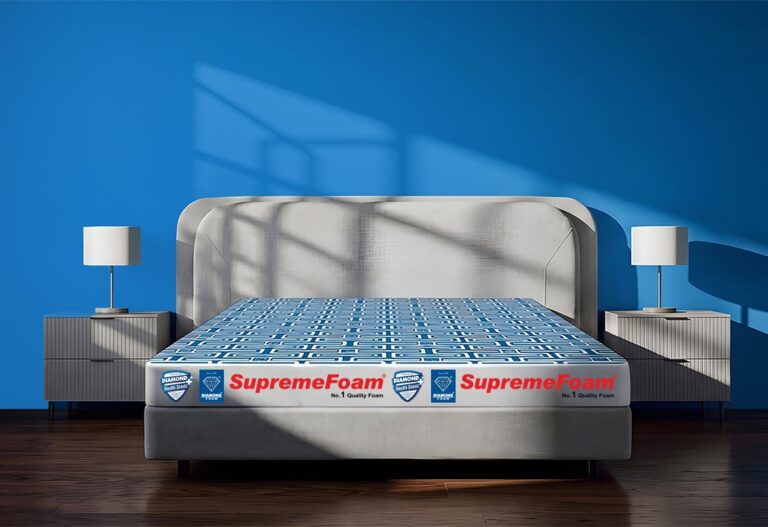
Diamond Supreme Foam offers 5-inch, 6-inch, and 8-inch mattress thickness options across its range, giving customers different choices based on their sleeping requirements and preferred bed height.
Choose the Right Mattress Thickness for Your Sleeping Needs
The right mattress thickness depends on your body weight, sleeping position, preferred comfort level, and bedroom setup.
A 5-inch mattress can be a practical choice for children, guest rooms, and lighter-use sleeping arrangements. A 6-inch mattress offers a moderate option for people looking for everyday comfort without a particularly tall bed. An 8-inch mattress provides additional depth for cushioning and supportive layers, making it worth considering for adults who prefer a more substantial mattress.
Before purchasing, evaluate the mattress’s construction, foam quality, and firmness. If possible, try lying on it in your usual sleeping position to assess how comfortably it supports your shoulders, hips, and lower back.
Ultimately, the best mattress isn’t necessarily the thickest one. It’s the one that provides the right combination of comfort and support for your sleeping needs.
Read More: Best Mattress Firmness: Should You Choose a Firm or Soft Mattress?
Frequently Asked Questions
- Is a 5-inch mattress suitable for adults?
A 5-inch mattress can work for some adults, particularly lighter individuals who prefer a firmer, less cushioned sleeping surface. However, heavier adults or those who need additional pressure relief should carefully evaluate its support and construction before purchasing.
- Is a 6-inch mattress thick enough for everyday use?
Yes, a well-constructed 6-inch mattress can be suitable for everyday use. Its comfort and support depend on foam quality, firmness, and the individual’s body weight and sleeping preferences.
- Is an 8-inch mattress better than a 6-inch mattress?
Not necessarily. An 8-inch mattress provides more room for additional cushioning and support layers, but a well-made 6-inch mattress can also offer comfortable support. The better choice depends on construction, materials, and individual preferences.
- Which mattress thickness is best for back pain?
There is no universally ideal mattress thickness for people with back pain. The mattress should support natural spinal alignment without allowing excessive sinking. Firmness and construction are more important than thickness alone. People experiencing persistent back pain should consult a healthcare professional.
- Does a thicker mattress last longer?
Not always. Mattress durability depends on foam quality, density, construction, usage, and maintenance. An 8-inch mattress made with lower-quality materials may wear out sooner than a well-constructed 5-inch or 6-inch mattress.
- Which mattress thickness should I choose for a child?
A 5-inch or 6-inch mattress may be suitable for a child’s bedroom, depending on the child’s age, weight, bed frame, and sleeping requirements. Check the mattress’s support characteristics and ensure it is appropriate for the child’s sleeping arrangement.
- Can I use an 8-inch mattress on any bed frame?
An 8-inch mattress can work with many bed frames, provided its dimensions match the frame and the foundation offers adequate support. Always check the manufacturer’s recommendations and consider the overall bed height before purchasing.