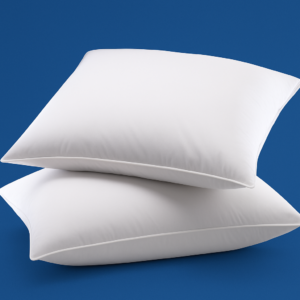
You regularly wash your sheets, duvet covers, and clothes, but when was the last time you washed your pillows? As a foundation of your sleep comfort, your pillow is also a magnet for sweat, body oils, and dead skin cells. This gradual buildup isn’t just unpleasant; it can affect your health and compromise your sleep.
Mastering how to wash pillows is the key to maintaining an immaculate bed. At Supreme Foam, we believe that exceptional sleep hygiene is a non-negotiable part of good health.
Why Clean Pillows Are So Important
A neglected pillow is more than just a nuisanceâit’s a potential health risk. Over time, an unwashed pillow can lead to:
- Allergies and Asthma: Pillows are a favorite home for dust mites, a leading allergen. Regular washing helps to remove these tiny pests and their waste, significantly reducing allergy and asthma triggers.
- Skin Health: The oils and bacteria that accumulate on your pillow can transfer to your face, contributing to acne and other skin issues.
- Loss of Support: Dirt and moisture can weigh down a pillow’s fill, causing it to lose its shape and structural integrity. This lack of proper neck support can lead to pain.
How to Wash Pillows the Right Way
Before you begin, always check the care label on your pillows for specific instructions. While most can be machine-washed, some materials require a different approach.
Machine-Washable Pillows (Down and Synthetic Fill)
Whether you have a top-loading or front-loading washer, the following steps will get your pillows truly clean:
- Remove Protectors: Take off any pillowcases and protectors, and wash them separately.
- Balance the Load: For best results, wash two pillows at a time. This balances the washing machine’s drum, ensuring a more effective and thorough cleaning.
- Choose the Right Settings: Use a gentle or delicate cycle with warm water and a slow spin speed.
- Use a Mild Detergent: Add a small amount of liquid detergent. Run an extra rinse cycle to ensure all soap residue is completely removedâleftover detergent can attract dirt and cause skin irritation.
- Dry Completely: This is the most critical step to prevent mold and mildew. Tumble dry on a low heat setting. To help the pillows fluff up and dry evenly, toss in a couple of clean tennis balls or dryer balls.
Caring for Non-Machine-Washable Pillows
- Memory Foam Pillows: Do not machine wash these pillows. The agitation can destroy the foam’s structure. Instead, spot clean any stains with a damp cloth and a small amount of mild soap. Let the pillow air dry completely in a well-ventilated area, away from direct sunlight.
- Bamboo Pillows: While the pillow covers can often be machine-washed, the pillows themselves should be hand-washed to maintain the integrity of the bamboo fibers. Always air-dry them completely to avoid damage.
The Pillow Maintenance Routine for a Fresher Sleep
Washing your pillows every three to six months is a great habit, but a consistent maintenance routine can make all the difference in keeping them fresh:
- Use a Pillow Protector: A zippered pillow protector acts as an essential barrier against allergens and moisture, keeping your pillow cleaner for longer.
- Fluff Daily: Give your pillow a good fluff every morning. This simple action helps it keep its shape and prevents the fill from clumping.
- Air Them Out: Once a month, place your pillows outside in the fresh air and sunlight for a few hours. This helps remove odors and excess moisture.
FAQs:
- Can You Wash Cotton Pillows? Yes, you can typically machine-wash cotton pillows on a gentle cycle with warm water, but always check the care label first.
- Can You Wash Polyester Pillows? Yes, polyester pillows are machine washable on a gentle cycle with warm water. They should be thoroughly dried on low heat to prevent clumping.
- Can I wash a pillow with baking soda or vinegar? Yes. Adding a half cup of baking soda to the wash cycle can help deodorize your pillows, while a half cup of white vinegar in the rinse cycle can help kill bacteria and break down soap residue.
- How do I know when it’s time to replace my pillow? A simple test can tell you if your pillow is still supportive. Fold your pillow in half and then let go. If it springs back to its original shape, it’s still good. If it stays folded, it’s lost its support and is ready to be replaced.
- Do I need to wash my pillows before using them for the first time? It’s a good practice to wash any new pillows before use to remove any manufacturing residue or chemicals. However, you should always check the care label as some pillows, like memory foam, are not designed for machine washing.
Conclusion
Your bed should be a sanctuaryâa clean, cozy, and supportive space where you can truly rest. Neglecting your pillows compromises that sanctuary, impacting not just your comfort but your health. Knowing how to wash pillows correctly is more than just a chore; it’s a vital step toward a healthier, more restful night.
By following these simple steps, you can extend the life of your pillows and ensure your sleep environment is as clean as possible. And when you’re ready to invest in a pillow that’s designed for long-lasting health and support, explore the full range of premium products at Supreme Foam because a truly restorative sleep begins with a clean, supportive pillow.