
Ever bought a mattress that felt firm in the store but became uncomfortable after a few months? The problem might not be its firmness alone. The foam inside plays an equally important role.
When choosing a mattress, two terms often come up: density and firmness. Although they sound similar, they describe different properties that influence how your mattress feels, supports your body, and holds up over time.
Mattress density refers to how much foam material is packed into a specific volume, while firmness describes how soft or hard a mattress feels when you lie on it. Density can affect durability, while firmness shapes your immediate sleeping experience.
Understanding both can help you choose a foam mattress that feels right today and provides dependable support over time.
What is Mattress Density?
Mattress density measures the mass of foam within a specific volume. It is commonly expressed in kilograms per cubic meter (kg/m³).
For example, foam with a density of 30 kg/m³ contains 30 kilograms of material per cubic meter. A 40 kg/m³ foam contains more material within the same space.
In conventional foam, higher density often indicates greater resistance to wear and permanent compression. However, durability also depends on foam formulation, manufacturing quality, and usage.
How Does Foam Density Affect Mattress Quality?
Foam density influences several practical characteristics:
- Durability: Higher-density foam generally resists premature wear better than comparable lower-density foam.
- Shape retention: Quality foam can maintain its structure and resist lasting body impressions.
- Weight: Denser foam is heavier when comparing equal volumes.
- Cost: Higher-density materials may cost more to manufacture.
Importantly, greater density does not automatically mean a harder sleeping surface. A dense mattress can still feel soft, depending on its construction.
What is Mattress Firmness?
Firmness describes how much resistance you feel when lying on a mattress. It determines whether the surface feels soft, balanced, or firm.
Manufacturers often describe firmness using categories such as soft, medium, medium-firm, and firm.
Understanding Different Firmness Levels
Soft Mattresses
Soft mattresses such as Supreme Soft allow greater cushioning around the shoulders and hips. It is one of the best mattresses for side sleepers in Pakistan who prefer gentle pressure relief.
Medium Mattresses
Medium options balance cushioning and resistance. They can work well for people who change sleeping positions throughout the night.
Medium-Firm Mattresses
Medium firm mattresses such as Supreme Foam provide a steadier surface with moderate cushioning. Many back sleepers prefer this combination.
Firm Mattresses
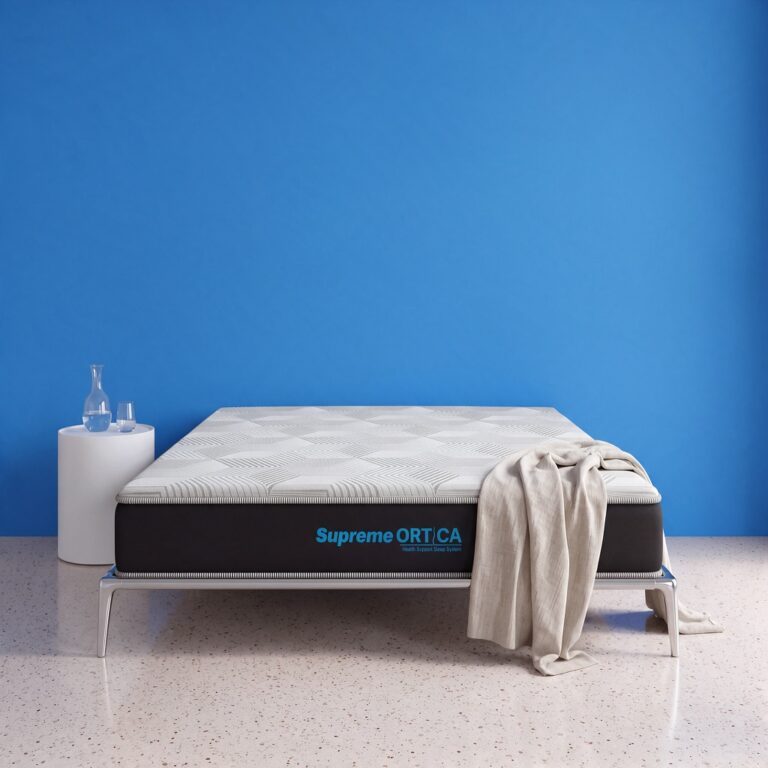
Firm mattresses such as Supreme Ortica resist deeper sinking and may appeal to stomach sleepers or individuals who prefer a more stable sleeping surface.
However, firmness preferences vary with body weight, sleeping position, and personal needs.
Mattress Density vs Firmness: Key Differences Explained
The easiest way to understand the distinction is to compare what each characteristic tells you.
| Feature | Density | Firmness |
| Meaning | Amount of foam material per unit volume | Resistance felt when lying down |
| Measurement | kg/m³ | Firmness rating or indentation-force testing |
| Main influence | Foam durability and structural properties | Surface feel and cushioning |
| Higher value means | More foam mass per unit volume | Greater resistance to compression |
| Buying consideration | Long-term material performance | Personal sleeping preference |
A mattress with high-density foam can have a soft upper layer, while a mattress made with lower-density foam can feel quite firm.
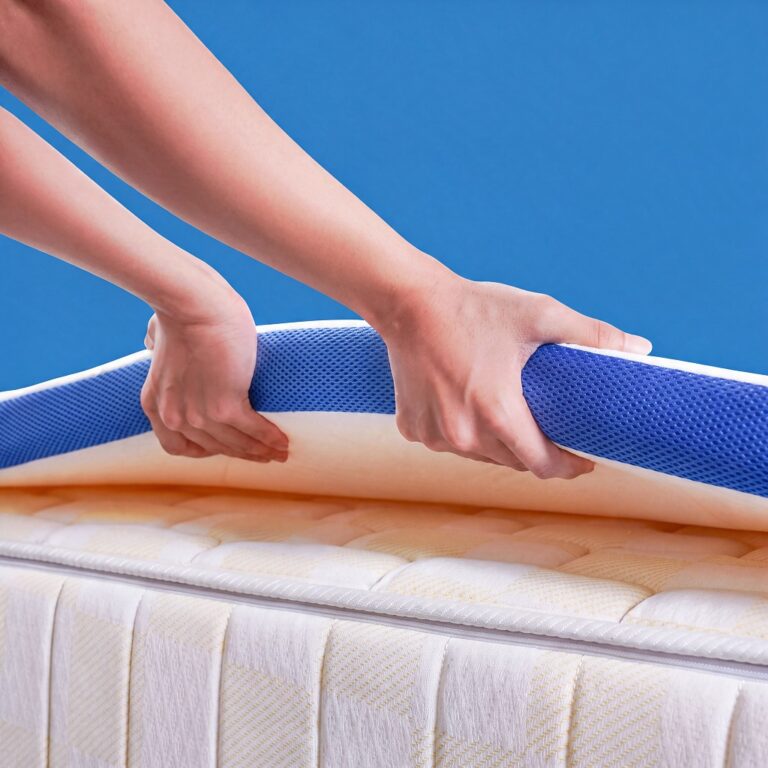
This happens because density describes the foam material, while overall firmness depends on the mattress’s complete construction, including its different layers and thicknesses.
Does Higher Density Mean a Firmer Mattress?
No, higher density does not necessarily mean greater firmness. The leading mattress manufacturer in Pakistan, Diamond Supreme Foam, can produce materials with similar densities but different levels of resistance to compression. The foam’s formulation and internal structure influence how it responds to pressure.
Firmness can also be evaluated through Indentation Force Deflection (IFD), sometimes called Indentation Load Deflection (ILD). This test measures the force required to compress foam by a specified amount under controlled conditions.
For example, a mattress may contain a dense support core with a softer cushioning layer above it. Despite the dense foundation, the surface can feel welcoming rather than hard.
This is why choosing a mattress based on density alone may lead to the wrong decision.
How Density and Firmness Affect Your Sleep
Both characteristics contribute to your sleeping experience, but in different ways.
Pressure Relief and Body Support
A mattress should cushion areas such as your shoulders and hips while helping maintain a comfortable sleeping posture.
An excessively firm surface may create uncomfortable pressure points, particularly for side sleepers. An overly soft mattress may allow more sinking than some sleepers prefer.
The right balance depends on your body weight, preferred sleeping position, and the way the mattress distributes pressure.
Durability and Everyday Use
Daily sleeping places repeated pressure on foam materials.
Higher-density foam of comparable quality generally offers better resistance to long-term wear. Still, the mattress’s overall durability also depends on construction, ventilation, bed-base support, and proper maintenance.
A firm mattress is not automatically more durable than a soft one.
Temperature and Breathability
In Pakistan’s warmer months, temperature regulation becomes another important consideration.
Foam type, airflow, cover fabric, and mattress construction all influence heat retention. Dense foam may restrict airflow in some designs, but density alone cannot determine whether a mattress will keep you hot.
Look for breathable fabrics and suitable ventilation instead of relying on firmness labels.
How to Choose the Right Mattress for Your Sleeping Needs
Rather than focusing on one specification, evaluate how the mattress performs as a complete product.
For Side Sleepers
Consider a softer or medium surface that allows your shoulders and hips to settle without excessive pressure.
For Back Sleepers
A medium to medium-firm mattress may provide a useful balance of cushioning and stability.
For Stomach Sleepers
A firmer surface may help limit excessive sinking around the midsection.
Before purchasing, consider these additional factors:
- Body weight: Heavier individuals may experience deeper compression on the same mattress.
- Thickness: Examine the complete layer structure rather than assuming thicker always means better.
- Bed size: Check your bed frame measurements before ordering.
- Shared sleeping: Consider both partners’ preferences and movement during sleep.
When possible, lie on a mattress in your usual sleeping position for several minutes to assess its feel.
Understanding Foam Quality When Buying a Mattress in Pakistan
When comparing mattresses locally, ask about the materials used inside rather than judging the product by its outer fabric or thickness alone.
A reliable manufacturer should help you understand the mattress’s construction, intended feel, and care requirements.
For instance, Supreme Silk combines a high-density support core with a cushioned surface and medium-firm feel. This illustrates how supportive materials and surface softness can work together.
The right choice is not necessarily the firmest or densest option. It provides suitable support, appropriate cushioning, and dependable construction for your needs.
Choose a Mattress That Balances Support, Feel, and Durability
A good mattress should do more than feel pleasant during a quick test. It should provide appropriate cushioning, steady support, and reliable performance throughout everyday use.
Understanding the distinction between foam density and firmness allows you to look beyond labels and make the right purchase.
Focus on how the mattress supports your sleeping position, the quality of materials inside, and how its construction suits your needs. The result is a more thoughtful investment in comfortable, restful sleep.
Read More: Best Mattress Firmness: Should You Choose a Firm or Soft Mattress?
Frequently Asked Questions
- What is a good foam density for a mattress?
A suitable density depends on foam type, layer function, and expected usage. Higher-density polyurethane foam often offers better durability than comparable lower-density alternatives, but density alone cannot determine overall mattress quality.
- Is a high-density foam mattress good for back pain?
High density does not automatically make a mattress suitable for back pain. Appropriate firmness, pressure relief, and body support are more relevant. People experiencing persistent back pain should seek professional medical guidance.
- Can a soft mattress have high-density foam?
Yes. High-density foam can be manufactured with a soft feel. Some mattresses also combine dense support layers with softer upper layers to provide cushioning without sacrificing underlying stability.
- How can I check the density of a foam mattress?
Ask the manufacturer for the foam’s density specification in kg/m³. Density can also be calculated by dividing the foam’s mass in kilograms by its volume in cubic meters, although measuring an assembled mattress accurately is difficult.
- Does mattress thickness affect firmness?
Thickness can influence the overall feel, but it does not determine firmness on its own. Foam composition, layer arrangement, and individual material properties influence how much the mattress compresses under body weight.